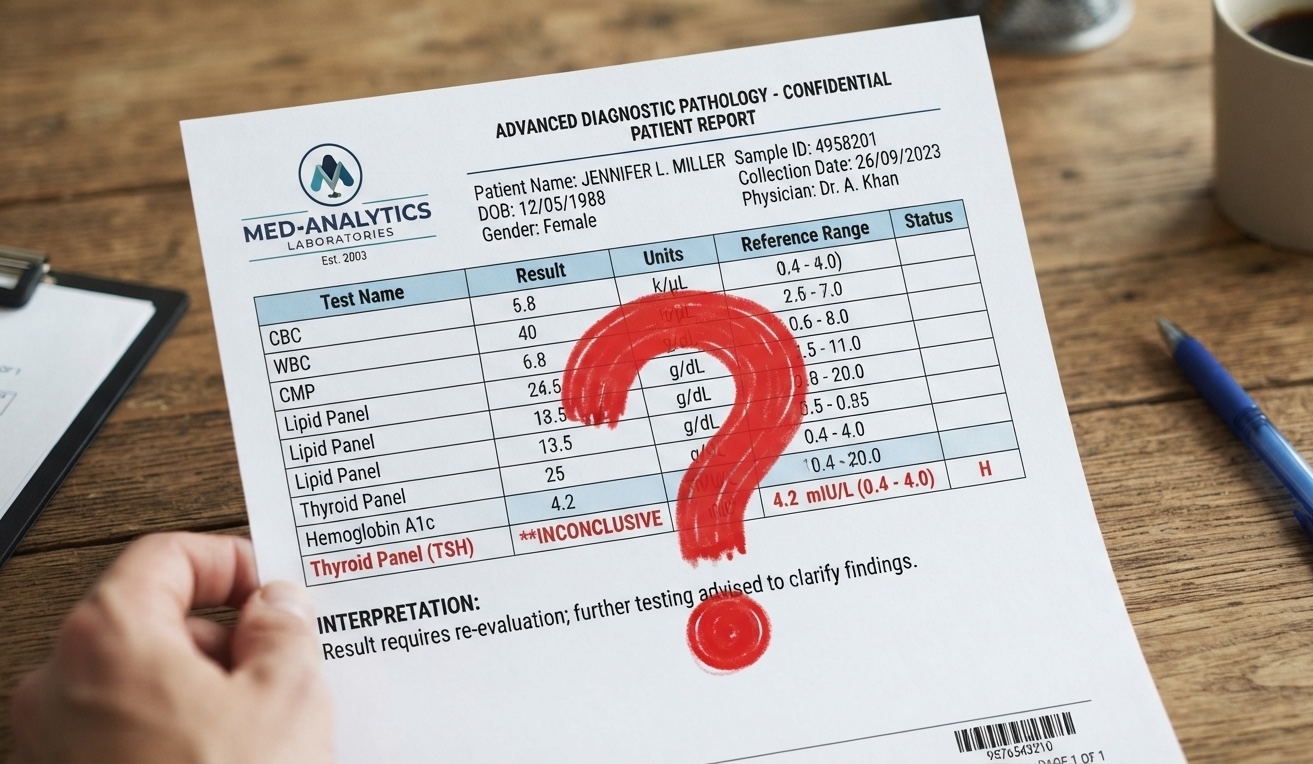
If you've lived in Nigeria for any length of time, you've heard it: "The test says you have malaria and typhoid." It's said so often it sounds like one disease. Many people get this diagnosis several times a year, buy a pack of antibiotics, and move on.
Here's the uncomfortable truth: a lot of those typhoid diagnoses are probably wrong. And the reason is one small, cheap test.
What the Widal test actually measures
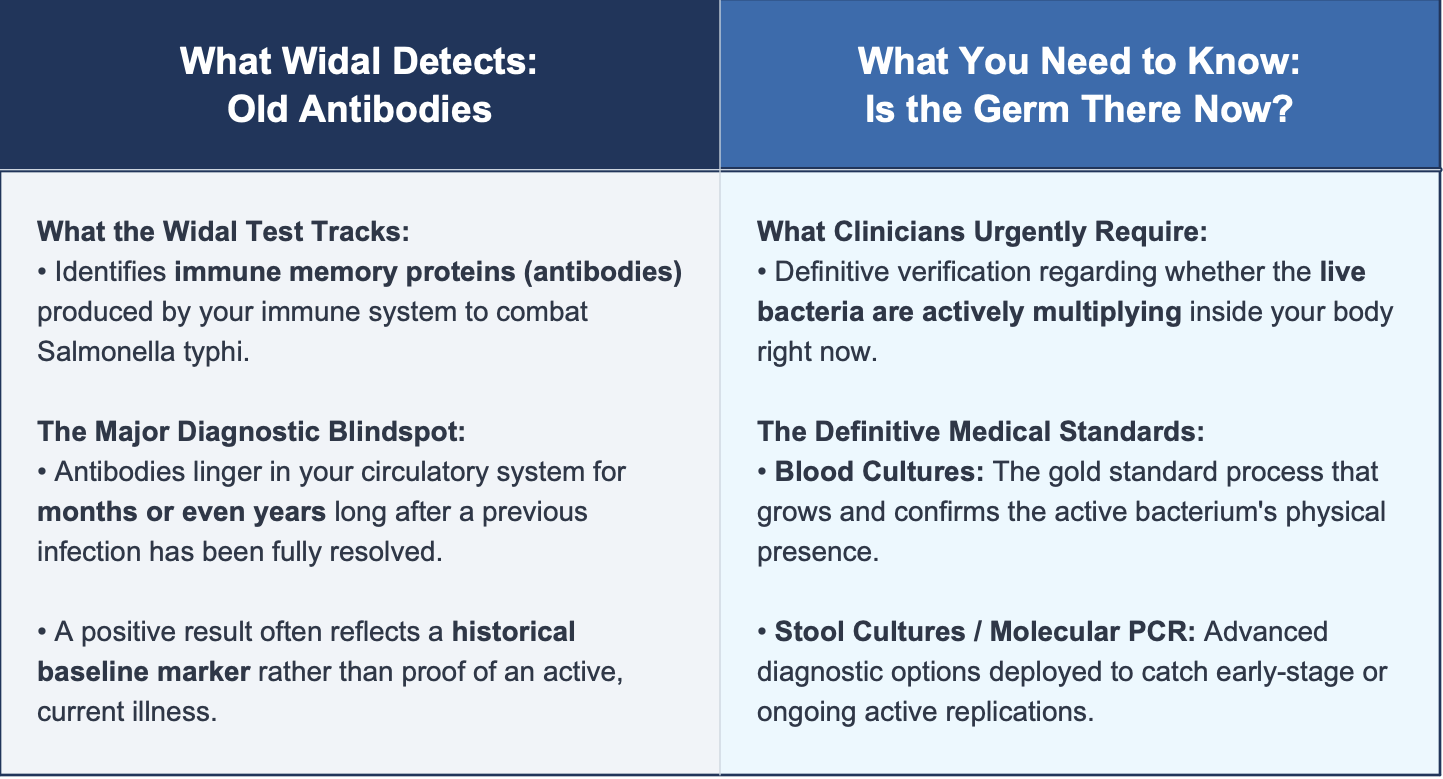
The Widal test doesn't look for the typhoid bacteria itself. It looks for antibodies, the markers your body makes after meeting Salmonella or related germs.
The problem is that those antibodies can stay in your blood for months or years after a past infection or vaccine. In places where typhoid has been common for a long time, many healthy people already carry them. Other infections, including malaria, can also cause a falsely positive result.
So a "positive" Widal result often tells you something you were exposed to in the past, not what is making you sick today.
Why this matters more than you think
You may be treating the wrong illness. If your fever is from something else, the real cause goes untreated while you take typhoid drugs.
Unneeded antibiotics fuel resistance. Every unnecessary course helps bacteria learn to survive the drugs. When you truly need an antibiotic, it may not work as well.
You pay for drugs you don't need, often more than once a year.
Side effects are real. Antibiotics can upset your stomach, cause allergic reactions and disrupt healthy gut bacteria.
Signs that typhoid is more likely
Typhoid is a real and serious disease. Doctors take it seriously when several of these appear together:
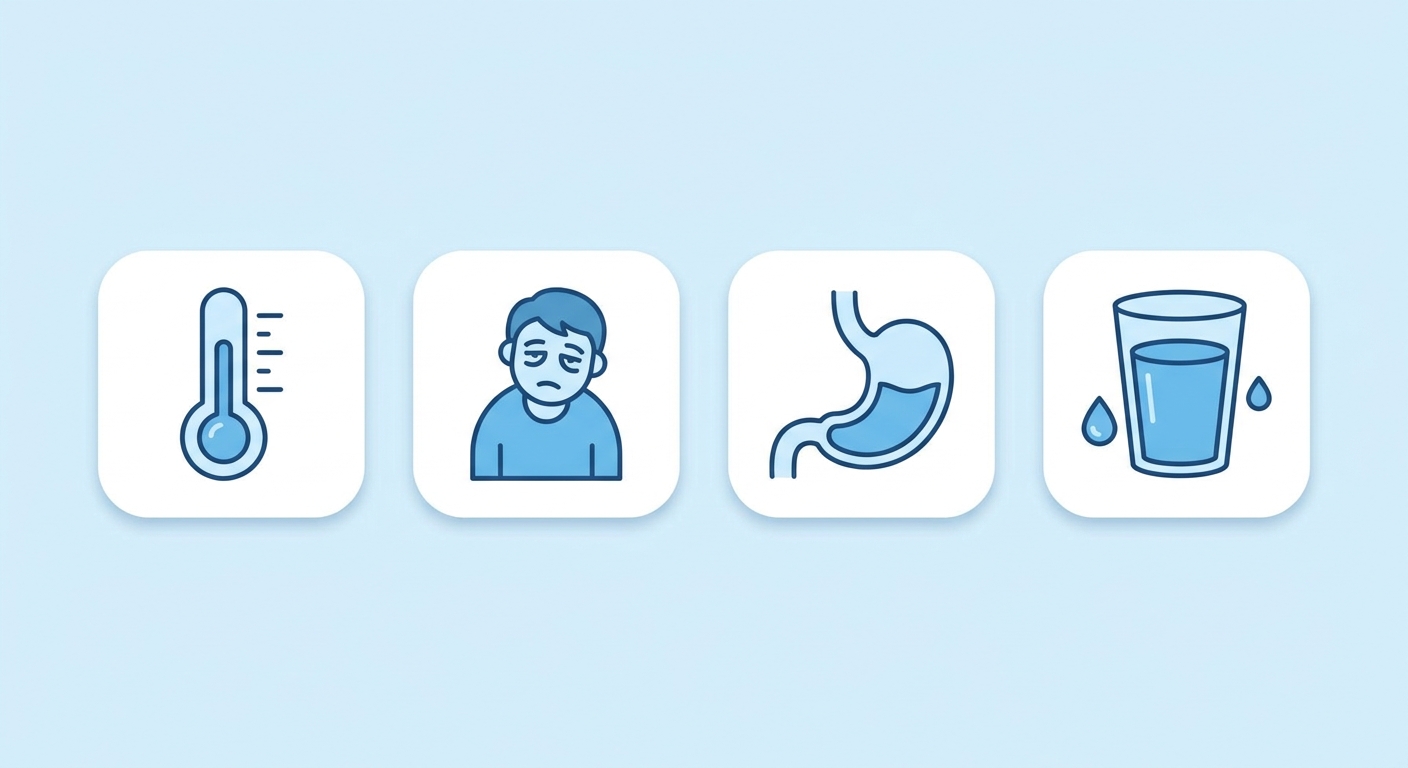
A fever that climbs gradually over several days and won't go away
Weakness, headache and loss of appetite
Stomach pain, constipation or diarrhoea
Drinking water or eating food that may have been contaminated
A single positive Widal test, without these signs, is not enough on its own.
Better tests to ask about
Blood culture: grows the actual bacteria from your blood. It's considered the most reliable test for typhoid, though results take a few days.
Stool culture: can also detect the bacteria.
Malaria test (rapid test or blood film): rule malaria in or out first, since it causes very similar symptoms.
Ask your doctor which test makes sense for your symptoms. A good doctor will look at the whole picture, not just one line on a lab slip.
What to do the next time you have a fever
Don't self-medicate with leftover or over-the-counter antibiotics.
Get a malaria test first.
Note how long the fever has lasted and any other symptoms.
Talk to a doctor before starting any antibiotic.

Not sure what your lab result means? Upload it in the Instant Doctor app and a licensed doctor will explain it, by chat or video, any time of day.
Download Instant Doctor Today
Share this with someone who has "typhoid" every three months.